Learning how to choose heavy equipment correctly sets your project up for better productivity, lower costs, and a safer crew from day one. In essence, picking equipment for sale means sizing machines to your scope, matching them to site conditions, and understanding the total cost of ownership before you ever sign a contract.
Read on to define project scope and site constraints, compare core machine types and attachments, weigh new versus used options, and optimize financing. Furthermore, we cover maintenance best practices and explain how ReadyDig’s uptime guarantee and exclusive XCMG access protect your investment.
1. How to Choose Heavy Equipment Based on Project Needs
How to Define Project Scope and Scale
First and foremost, defining scope and scale means mapping out tasks, timelines, and resource needs so your machine choice matches real job demands. When figuring out how to choose heavy equipment, relying on guesswork unfortunately leads to downtime or overspending.
To begin, start by measuring:
- Excavation depth
- Weekly load volumes
- Overall project length
For example, a multi-month earthmoving contract that requires removing 200 cubic yards of soil per week calls for a mid‑size excavator, rather than a mini. Consequently, a clear scope ensures the machine’s horsepower, operating weight, and cycle time line up perfectly with the work.
Which Job Site Conditions Matter Before You Buy?
Moreover, site factors like terrain, ground bearing capacity, weather, and space restrictions directly affect machine performance and stability. Additionally, safety guidelines from OSHA emphasize that site conditions dictate the safety of your machinery choice. Therefore, you must assess these conditions to avoid equipment getting stuck or damaging the site. Use the guide below to pair common environments with the right machine traits.
| Equipment Type | Best Terrain | Ground Impact |
|---|---|---|
| Mini Excavator | Tight access and urban sites | Low ground pressure (under ~4 psi) |
| Compact Track Loader | Soft, muddy, or fragile terrain | Tracks spread weight for less ground disturbance |
| Wheel Loader | Flat, hard-packed surfaces | Higher ground pressure but faster cycle times |
| Articulated Dump Truck | Rough, uneven earth | Articulated steering for off-road stability |
How Do Size and Maneuverability Affect Your Choice?
Crucially, size determines logistics. While bigger models work faster on open sites, they are surprisingly harder to permit and transport. Thus, you must factor in trailers and site access gates when choosing dimensions. On the other hand, smaller machines improve access in confined areas, although they may have lower lift capacity.
2. Understanding Types: How to Choose Heavy Equipment Features
Key Differences: Excavators, Loaders, and More

- Excavators: Specifically specialize in digging and trenching.
- Loaders: Move material quickly with front-mounted buckets.
- Compactors: Effectively stabilize soil with vibratory drums.
- Graders: Provide precise leveling with adjustable blades.
How Attachments Improve Versatility
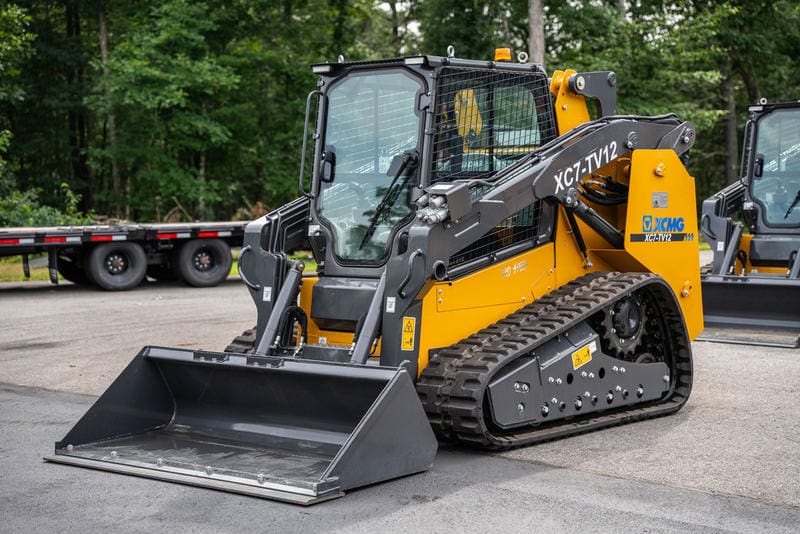
Furthermore, attachments turn a base machine into multiple tools, significantly raising productivity. For instance, a hydraulic hammer handles demolition, while pallet forks speed material staging. Similarly, machines with universal quick-attach systems increase ROI by letting fewer machines handle more tasks.
Why Choose XCMG Equipment?
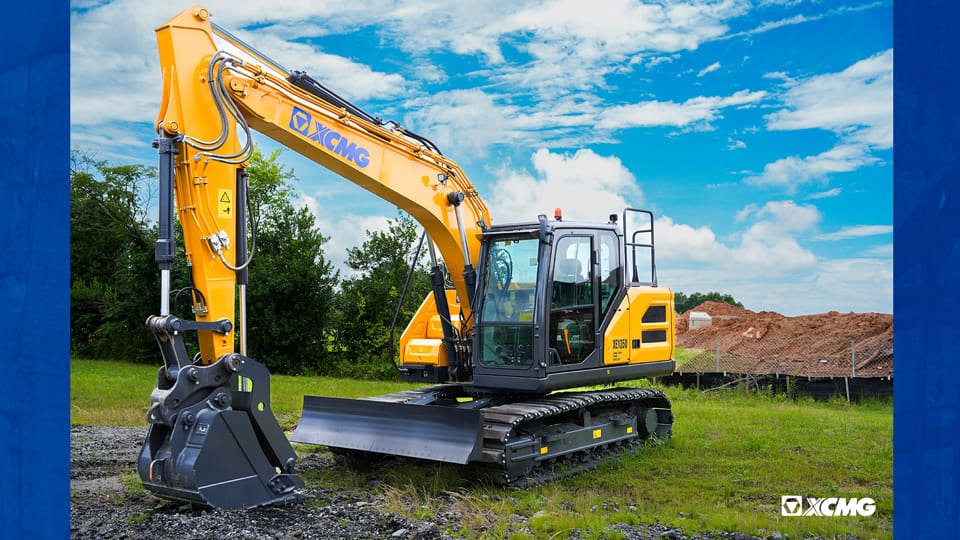
Uniquely, XCMG equipment blends modern telematics, sturdy design, and fuel-efficient engines to maximize uptime. Buying through ReadyDig gives you access to these features plus continental U.S. dealer support. According to the Association of Equipment Manufacturers (AEM), technological integration is a key driver in modern fleet efficiency. (See how XCMG compares to competitors here).
| Machine Feature | Benefit | Why It Matters |
|---|---|---|
| Advanced Telematics | Real-time diagnostics and use data | Reduces unplanned downtime |
| High-Torque Hydraulics | Faster cycle times | Shortens project schedules |
| Eco-Engine Technology | Lower fuel consumption | Cuts operating costs |
| Reinforced Undercarriage | Improved durability | Longer service intervals |
3. New or Used: How to Choose Heavy Equipment for Your Budget
Ultimately, choosing new or used equipment is about balancing upfront cost against ongoing expenses. Knowing how to choose heavy equipment that aligns with your financial strategy is crucial.
Comparing the Options
- New Equipment: Generally comes with a full warranty, the latest tech, and dealer support, but naturally carries a higher price and faster initial depreciation.
- Used Equipment: In contrast, used options can save up to ~40% on acquisition and depreciate slower. However, they typically require more maintenance and carry repair risk.
How Depreciation and Warranties Affect Value
Typically, new machines lose 20–30% of their value in year one. Understanding this helps you time purchases and estimate tax benefits. Furthermore, manufacturers and dealers offer warranties covering engines and hydraulics. You should look for clear service intervals and access to genuine parts, as these elements protect uptime and long‑term value.
4. Financial Strategies to Optimize Your Investment
How to Budget for Total Cost of Ownership (TCO)

Budgeting TCO means accounting for more than just the sticker price. Specifically, you must include fuel, insurance, taxes, maintenance, and resale value. Using realistic hourly rates therefore gives a truer budget picture.
Financing, Leasing, and Rental Options
Additionally, your acquisition choice should reflect timelines, cash flow needs, and tax strategy. ReadyDig’s rent-to-own and financing options are flexible to fit different project profiles.
| Acquisition Method | Cost Impact | When to Use |
|---|---|---|
| Cash Purchase | Large upfront capital outlay | Best if you want full ownership and no finance fees |
| Equipment Lease | Fixed monthly payments | Reduces upfront cost and may offer tax benefits |
| Equipment Rental | Daily or monthly rates | Offers maximum flexibility and access to newer fleets |
5. Why ReadyDig Is the Dealer to Trust
The Uptime Guarantee
ReadyDig’s uptime guarantee is built around rapid response, certified technicians, and a stocked parts inventory. If a covered unit needs service, our goal is fast restoration so your schedule suffers as little as possible. In other words, we are more than a vendor; we’re a partner in your productivity.
Market Trends: Future-Proofing Your Fleet
Meanwhile, telematics, AI, and the rise of compact equipment are changing how we build. Compact machines are in high demand for urban work, while AI is helping predict maintenance before a breakdown occurs. Tailoring your specs to these trends and your specific regional climate, therefore, protects your longevity.
Ready to Dig?
In conclusion, knowing how to choose heavy equipment requires a stepwise look at project needs, machine capability, and dealer support. Pair your requirements with ReadyDig’s exclusive XCMG offerings and expert service to tackle projects with confidence.